Finding the Right Fishkill Paving Contractor for Durable Driveways and Pavement
Finding the Right Fishkill Paving Contractor for Durable Driveways and Pavement
Blog Article
Reliable Paving Contractor for Long-lasting Driveways and Roads
Appointing a proven paving contractor is critical for producing durable streets and lanes. Strategic selection ensures longevity and quality in pavement projects. Factors comprising credentials, client testimonials, and grasp of materials substantially impact the success. Comprehending the particulars of investment and maintenance can further enhance the decision-making process. As property owners review their alternatives, several vital considerations demand attention thoughtful assessment to secure a satisfactory investment. What areas deserve emphasis in their search?
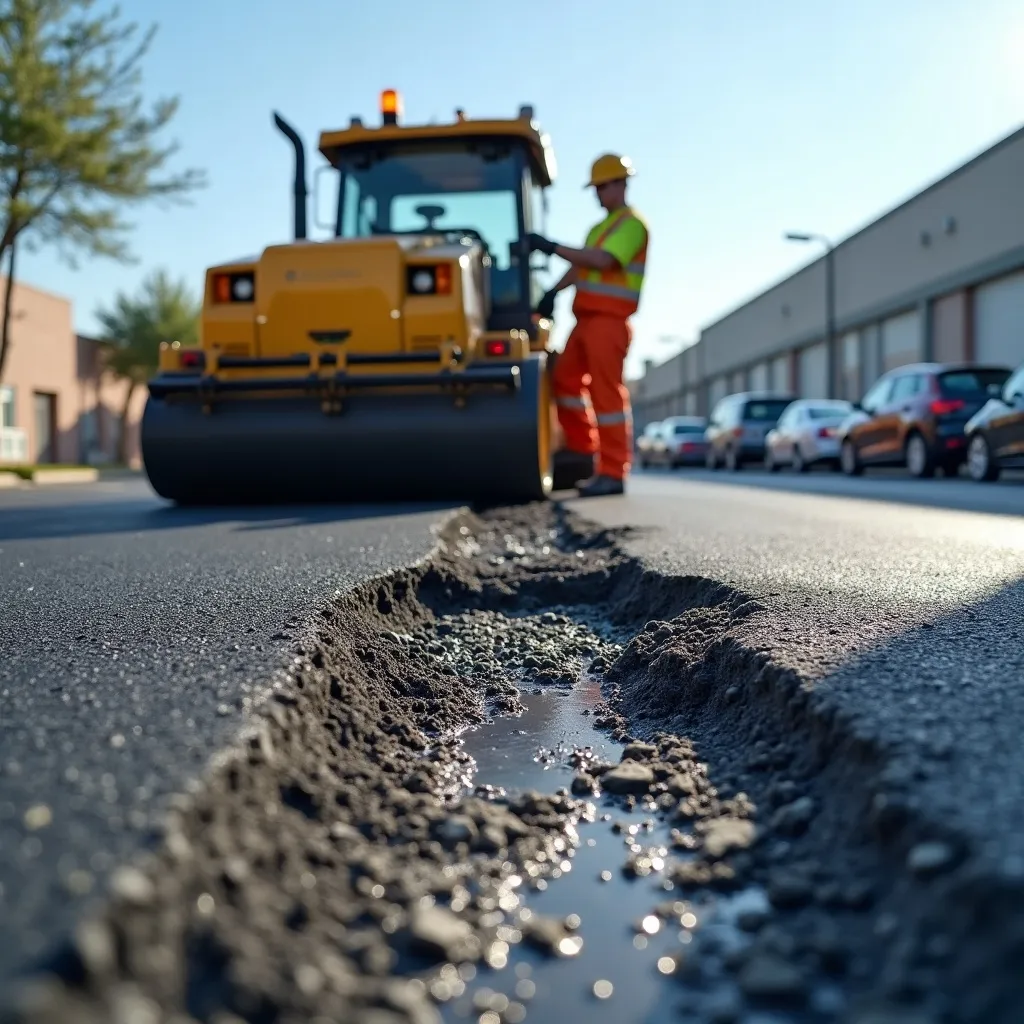
Guide to Choosing an Knowledgeable Paving Contractor
When picking an seasoned paving contractor, one might wonder what critical elements to determine. First, it is vital to examine the contractor's qualifications, encompassing licenses and insurance, to confirm compliance with local regulations and protection against liabilities. Next, reviewing customer testimonials and past project portfolios can provide discussion insight into the contractor's quality of work and reliability.
Additionally, securing multiple proposals can help gauge the market rate for services and detect any red flags, such as unusually low bids. Experience in certain paving types, such as residential driveways or commercial parking lots, remains a vital consideration, as specialized knowledge often delivers better outcomes. Communication skills are also necessary; a contractor should be responsive and willing to address questions or concerns. Finally, reviewing warranties or guarantees offered can show the contractor’s confidence in their work and dedication to customer satisfaction.
Finest Selections for Your Driveway Installation
When deciding on materials for a driveway, homeowners regularly assess the benefits and drawbacks of asphalt and concrete. Each option delivers unique characteristics that can impact durability and cost. Additionally, gravel provides a more cost-effective alternative but comes with its own set of benefits and drawbacks.
Asphalt vs. Concrete Choices
Which material presents the best mix of resilience and cost for driveways: asphalt or concrete? Asphalt is often favored for its cheaper initial cost and quicker placement process. It usually gives a even layer that can withstand harsh weather conditions, turning it a functional selection for plenty of homeowners. However, asphalt requires regular maintenance, involving protecting and resurfacing, to prolong its lifespan.
By contrast, concrete is celebrated for its strength and low upkeep requirements. When correctly installed, concrete driveways can persist over 30 years. Additionally, concrete delivers a spectrum of visual options, containing decorative finishes. While the initial investment is higher, the lower maintenance needs can make it a cost-effective remedy as time goes on. At last, the choice depends on personal preferences and spending limit.
Gravel Pros and Cons
While asphalt and concrete are well-liked choices for driveways, gravel also acts as a feasible alternative with its own pros and cons. One major advantage of gravel is its cost-effectiveness; it typically demands a lower initial investment compared to asphalt and concrete. Additionally, gravel offers superior water drainage, minimizing the chance of water pooling. However, it is not free from challenges. Gravel driveways can require consistent upkeep, such as routine refilling and leveling to maintain an even surface. Furthermore, they may create issues with erosion and can be less stable for heavily used spaces. Ultimately, the decision to select gravel should consider both its affordability and the homeowner's willingness to invest in continuous maintenance.
Reviewing Client Feedback: What to Evaluate
How can prospective clients determine the quality of a paving contractor through customer reviews? Evaluating these reviews requires attention to specific factors. First, clients should look for overall ratings; a high average score often indicates satisfactory service. Next, the number of reviews is vital; a larger volume provides a more reliable picture of the contractor's performance.
Clients should also review the details of individual reviews. Positive feedback about promptness, communication, and work quality is crucial. Furthermore, recurring themes in unfavorable feedback, such as inadequate customer support or project delays, can indicate potential issues.
In addition, responses from the contractor about reviews highlight their dedication and proficiency to client happiness. To summarize, consider feedback from multiple sources to obtain a comprehensive understanding. By emphasizing these elements, potential clients can make educated decisions about their paving contractor.
What are the Key Questions to Pose Your Paving Contractor?
Picking a paving contractor means asking proper questions, which can substantially impact your project results. It is crucial to explore the contractor's experience and the variety of assignments they have completed. Knowing their stance on materials and techniques will also help reveal the excellence of work you can expect.
Prospective clients should ask about licensing and insurance to guarantee the service provider satisfies regulatory standards and is safeguarded from possible financial risks. Additionally, discussing the timeline for project completion and any potential delays is essential.
Looking into coverage terms on both materials and workmanship can shield the investment. At last, it's constructive to request recommendations or examples of previous work to determine the contractor's consistency and artistry. These questions not only elucidate anticipations but also form a base for meaningful interaction within the project.
Pavement Cost: What to Account For
Understanding driveway expenses is crucial for property owners considering a project. Various factors, such as choice of materials and costs, greatly affect the total cost. Additionally, evaluating long-term value can help in determining informed decisions about driveway projects.
Key Considerations in Paving Expenses
Various factors influence paving costs, making it essential for property owners to grasp the variables at play. One significant aspect is the size of the area to be paved; larger spaces typically entail higher costs due to increased material and labor requirements. Additionally, site conditions, such as soil quality and drainage, can shape pricing, as extensive preparation may be needed. Local labor rates also play an important role; areas with a higher cost of living often have increased labor expenses. Moreover, the complexity of the project, including intricate designs or existing structures, can lead to supplementary costs. Finally, seasonal factors may shape pricing, as contractors often adjust rates based on demand fluctuations throughout the year.
Material Options and Costs
Diverse material options greatly impact paving costs, each offering unique benefits and different cost structures. Asphalt, known for its inexpensive nature and quick installation, typically ranges from $3 to $5 per square foot. Concrete, while more durable, can cost between $4 and $8 per square foot, depending on finish and thickness. Pavers, built from brick or stone, showcase visual character but generally range from $10 to $20 per square foot, including installation. Additionally, permeable paving choices, which facilitate water drainage, may cost more owing to their cutting-edge materials and specialized installation protocols. Homeowners ought to consider these options deliberately, balancing initial costs with desired longevity and required capabilities for their driveways and roads.
Long-Term Value Factors
When choosing paving materials, long-term value proves essential in the final selection. Homeowners and contractors alike must take into account not only the upfront expenses but also the durability, maintenance, and lifespan of the selected options. Asphalt paving, for instance, may provide reduced initial expenses but could demand more frequent repairs versus concrete, which tends to be more long-lasting over time. Furthermore, factors such as regional climate and usage intensity can affect the durability of the paved surface. Choosing premium options may result in greater upfront costs, yet this choice can result in lower upkeep expenses and extended lifespan, ultimately providing better value. A comprehensive assessment of these elements guarantees well-reasoned choices for environmentally responsible pavement options.
Advantages of Warranties and Aftercare Services
When selecting a reliable paving contractor, the significance of warranties and maintenance services should not be ignored. Warranties serve as a safeguard for clients, ensuring that any problems in materials or workmanship are remedied without additional costs. A trustworthy contractor typically offers a broad warranty that demonstrates their confidence in the quality of their work.
Furthermore, aftercare services represent an important element in sustaining paved surface integrity for years to come. Consistent care, including protective sealing and fissure fixes, stops greater damage and pricey repairs later. A contractor providing reliable assistance manifests their promise of customer satisfaction and the durability of their work.
As such, warranties and aftercare services not only maximize the worth of the initial investment but also ensure peace of mind for homeowners and businesses alike. A credible contractor highlights these elements, cultivating trust and long-term relationships with customers.
Popular Questions Posed Regularly
What is the standard timeframe of the paving process?
Asphalt installation typically requires one to three days, based on the size and complexity of the project. Factors such as weather, site preparation, and material selection can also impact the overall timeline considerably.
Which Atmospheric Conditions Effect Paving Projects?
Weather conditions greatly shape paving work. Rain, snow, and extreme temperatures can delay projects, while humidity levels sway the curing process. Ideal conditions, typically dry and mild, guarantee better adhesion and durability of the pavement.
How Can I Preserve My New Driveway?
Maintaining a new driveway includes frequent cleaning routines, opportune sealing applications, and rapid crack treatment as vital elements. Cutting down on heavy weight and following appropriate snow removal protocols increase longevity and sustain its appearance.
Are there environmentally conscious paving options accessible?
Yes, several green paving solutions exist, encompassing permeable pavers, reclaimed asphalt, and alternative concrete options made from renewable resources. These alternatives help reduce environmental damage while supplying durable and functional surfaces for driveways and pathways.
Will I Need a Permit for Pavement Projects?
Permits are often necessary for concrete work, as dictated by local regulations. Homeowners should consult with their municipal planning department to understand specific requirements, upholding compliance and mitigating potential fines or project delays during construction.
Report this page